If you've ever found yourself asking, "why is my vape device not producing vapor," you're not alone. Many vapers encounter this frustrating issue. Understanding the basics is crucial. Vape devices rely on several components, and any malfunction can lead to vapor production problems.
Various factors contribute to this common problem. First, the battery power may be insufficient. A weak battery often leads to poor performance. Another possibility is clogged coils. Debris can block airflow, resulting in little to no vapor.
In addition to these, e-liquid issues can also play a significant role. An incorrect e-liquid viscosity can hinder vapor creation. It’s essential to ensure that your e-liquid is compatible with your device. A thorough examination of these elements can often provide answers. Addressing these obstacles can lead to a more satisfying vaping experience. Remember, troubleshooting requires patience and a methodical approach.
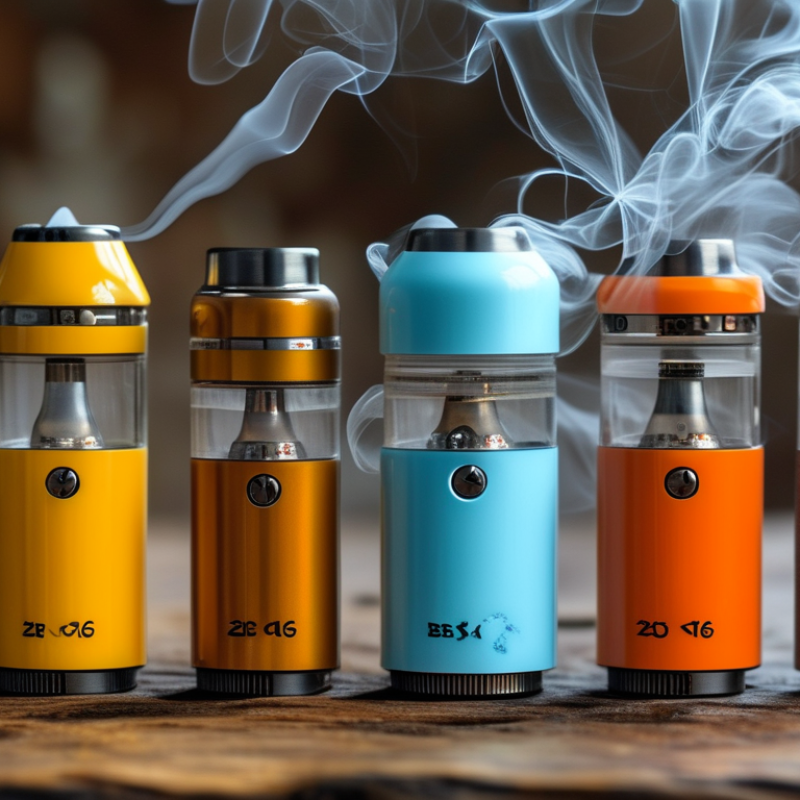
When encountering vape device issues, understanding common reasons for failure is crucial. A study by the vaping industry shows that nearly 40% of users experience problems with vapor production. One prevalent issue is a depleted battery. Many users forget to charge their devices, leading to unexpected performance drops. Battery life can significantly impact the device's ability to produce vapor.
Another common cause is a clogged or dirty atomizer. Residue from e-liquids can build up and hinder airflow. This blockage can reduce vapor output. Regular cleaning of the atomizer is recommended. A report indicates that proper maintenance can improve device lifespan by up to 30%.
Additionally, users often overlook e-liquid levels. Low e-liquid can result in inadequate vapor production. When the tank runs dry, the device may produce less or no vapor at all. It's essential to stay vigilant about e-liquid levels. These factors highlight the need for regular checks and maintenance to ensure a satisfying vaping experience.
When troubleshooting a vape device, checking the battery life is crucial. A weak battery often leads to inadequate vapor production. Begin by ensuring the battery is fully charged. Remove it from the device, then charge it using the appropriate charger. If the battery seems old or damaged, consider replacing it. Lithium-ion batteries can degrade over time, affecting performance.
Next, inspect the connections. Loose or dirty connections can hinder power flow. Carefully detach and reattach the components. Use a cotton swab to clean any residue around the contact points. Make sure everything fits snugly. Sometimes, a small adjustment can make a significant difference in vapor output.
If problems persist after these checks, reflect on your device's settings and coil condition. A faulty coil can greatly reduce vapor. Pay attention to any unusual signs, such as leaking or burnt taste, and address them promptly. These steps can help ensure a satisfying vaping experience.
When your vape device fails to produce vapor, the atomizer and coil are often the culprits. Examining these components is crucial for identifying the issue. Start by unscrewing the tank from the device. Next, check the atomizer for any signs of wear or damage. Cracks or burns can prevent proper function. If the atomizer looks compromised, it may be time for a replacement.
Now, focus on the coil. Coils are critical for generating vapor, and they require regular inspection. Look for discoloration or burnt smells. These can indicate that the coil is burnt out and needs replacing. A dry or overused coil won’t create vapor efficiently. Additionally, ensure that the coil is adequately saturated with e-liquid before use. If you recently changed flavors, the old residue can affect performance. Regular maintenance of these parts can help prevent many issues.
Keep in mind that troubleshooting can be trial and error. You may find that replacing one component fixes the problem, but others may persist. In such cases, reflect on your usage habits. Are you over-drawing on your device? Are you using it at inappropriate wattages? Taking a step back to reassess your approach can often lead to better performance.
| Issue | Possible Cause | Solution |
|---|---|---|
| No Vapor Production | Clogged Atomizer or Coil | Clean or replace the atomizer or coil. |
| Weak Vapor | Insufficient Power Setting | Increase the wattage or voltage. |
| Burnt Taste | Dry Coil or Wicking Material | Repriming the coil or replacing it. |
| Leaking | Improper Seal or Cracked Tank | Check seals and replace the tank if necessary. |
| Gurgling Sounds | Flooded Coil | Remove excess e-liquid from the coil. |
| Device Not Turning On | Dead Battery | Charge or replace the battery. |
When troubleshooting why your vape device isn't producing vapor, assessing your e-liquid is vital. Many users overlook the importance of e-liquid levels. Reports indicate that nearly 40% of vaping issues stem from low e-liquid levels. Ensuring your tank is sufficiently filled will prevent dry hits and help maintain consistent vapor production.
Quality matters as much as quantity. E-liquids can vary significantly in composition. Subpar ingredients can lead to clogs or inconsistent vapor. Studies show that around 30% of users experienced performance issues due to cheap e-liquids. Check for viscosity and clarity. Thicker liquids may not wick properly, affecting performance.
Keep an eye on expiration dates as well. Fresh e-liquids can enhance your vaping experience significantly. If an e-liquid is past its prime, flavor diminishes, affecting enjoyment. Regularly assessing both the level and quality of your e-liquid can save you from frustrating sessions without vapor. Ignoring these factors might lead to a less satisfying experience.
Proper maintenance is crucial for ensuring your vape device produces vapor effectively. A recent report noted that nearly 70% of vaporizer malfunctions stem from user neglect. Simple actions can go a long way to prevent issues. Regular cleaning of the tank, coils, and mouthpiece contributes to better performance. Residue from e-liquids can build up and obstruct airflow. This can hinder vapor production significantly.
Battery care is equally important. Keeping your battery charged and avoiding deep discharges can extend its lifespan. Research shows that batteries that are properly maintained last up to 40% longer. Additionally, always check the connections and ensure they are free from dirt and corrosion. If components seem loose, tightening them can enhance overall functionality. Users should regularly inspect their devices for signs of wear and tear.
Lastly, occasionally replacing coils is essential. A worn-out or damaged coil often leads to a burnt taste and weak vapor. Data indicates that changing coils every 1-2 weeks can keep your device in peak condition. Remember to adjust settings based on your vaping style. Low wattage can help preserve your coil life. Make these practices a habit to ensure optimal vapor production.
: Low e-liquid levels are often the culprit. Nearly 40% of issues arise from this problem.
Subpar e-liquids can cause clogs and inconsistent vapor. Around 30% of users face issues due to cheap e-liquids.
Fresh e-liquids enhance flavor and vapor quality. Expired liquids can lead to a disappointing vaping experience.
Regular cleaning of tank, coils, and mouthpiece prevents buildup and helps airflow.
Changing coils every 1-2 weeks is recommended to avoid burnt taste and weak vapor.
Well-maintained batteries last longer. Deep discharges can significantly reduce battery lifespan.
Inspect connections for dirt or corrosion. Tightening loose components can enhance functionality.
Neglecting maintenance leads to malfunctions and performance issues. It's important to establish good habits.
Check viscosity and clarity. Thicker liquids may not wick properly, impacting performance.
If issues persist, reflection on techniques used is necessary; troubleshooting may need to be more thorough.
In the article titled "2026 Best Vape Troubleshooting: Why is My Device Not Producing Vapor," various common issues associated with vape device failures are explored. The piece emphasizes understanding the fundamental reasons behind vapor production failures, starting with checking battery life and ensuring proper connections. This is crucial for optimal performance, as a weak battery can hinder vapor output.
Additionally, it discusses the importance of inspecting the atomizer and coil, as these components directly affect vaporization efficiency. Assessing e-liquid levels and quality is also highlighted, since insufficient or poor-quality e-liquids can lead to inadequate vapor production. Lastly, the article provides essential maintenance tips to help prevent future issues, ultimately offering a comprehensive guide for those questioning, "why is my vape device not producing vapor.

Onics Vape