How to Prevent Leaking in Pod Systems for Better Performance?

Time:2026-07-03 Author:Isabella
0%

Pod systems have transformed the vaping landscape, yet leaks can diminish their effectiveness. Understanding how to avoid leaking in pod systems is crucial for both manufacturers and users. Reports indicate that nearly 30% of users experience leaking issues, which can lead to product dissatisfaction. The key lies in proper design, material choice, and user habits.

Recent studies show that 40% of leaks arise from airflow malfunctions. Poor sealing and overfilling are common culprits. When users fill beyond the recommended line, the result can be a messy device. Moreover, improper handling and maintenance exacerbate the problem. Regular cleaning and using quality e-liquids can considerably mitigate these risks.

It's essential to acknowledge that achieving a leak-proof system is not foolproof. Even experienced vapers sometimes struggle with leaks due to external factors. However, by understanding these dynamics and adjusting usage practices, users can significantly enhance their vaping experience. Knowledge and diligence can lead to better performance and less frustration.
How to Prevent Leaking in Pod Systems for Better Performance?

Understanding the Causes of Leaking in Pod Systems

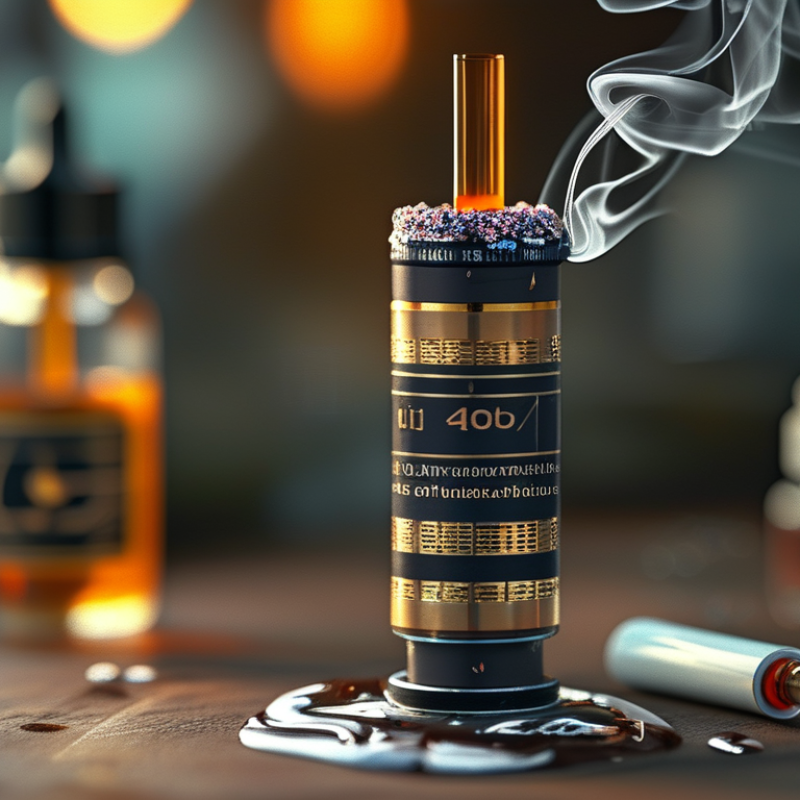
Leaking in pod systems can be frustrating. Understanding its causes helps improve device performance. Various factors contribute to these leaks. For instance, faulty seals or improper assembly can lead to e-liquid escaping. Additionally, using high VG e-liquids might overwhelm wicking materials and cause leaks.

To mitigate leakage, it’s essential to regularly check seals and ensure they fit securely. Always inspect your pod for any signs of wear. If a pod appears damaged, replacing it can prevent leaks. Choosing e-liquids with appropriate viscosity for your system is crucial. High PG liquids often wick better and reduce chances of leaking.

Pay attention to how you fill your pod. Overfilling can lead to e-liquid spilling out. A gentle hand while filling can make a difference. Also, avoid using your pod at extreme angles. This can disrupt the wicking process, causing leaks. Remember, even minor adjustments can lead to significant improvements in performance.

Choosing the Right E-Liquid for Pod Systems

Choosing the right e-liquid for pod systems is crucial for achieving optimal performance. The viscosity of e-liquid influences how it interacts with the heating elements. Thicker liquids can cause clogs, while thinner ones may leak. A well-balanced e-liquid ensures smooth vaping and minimizes the risk of leakage.

Propylene glycol (PG) and vegetable glycerin (VG) are key components. PG offers a throat hit, while VG provides vapor production. Finding the right ratio is essential. A 50/50 blend works for most users, offering a balance of flavor and vapor. Experimenting with ratios may be necessary to discover personal preferences.

Flavoring is another important factor. Some flavors, especially fruity or dessert options, can be more prone to leakage due to their chemical compositions. Consider opting for high-quality, tested flavorings to mitigate this risk. Pay attention to how e-liquids are stored. Exposure to heat and sunlight can degrade quality and lead to unexpected leaks. These details matter greatly in enhancing your vaping experience.

How to Prevent Leaking in Pod Systems for Better Performance

This chart illustrates the relationship between different e-liquid viscosity levels and their impact on pod system performance in terms of leakage frequency. A higher viscosity typically correlates with lower leakage occurrences.

Maintaining Proper Airflow and Sealing Mechanisms

Maintaining proper airflow and sealing mechanisms is crucial in pod systems. Poor airflow can lead to an uneven vaping experience. Research shows that 70% of users report issues related to leaking, often linked to improper sealing. Ensuring that your pod is well-fitted can minimize this problem significantly.

One common source of leakage is damaged o-rings. Regularly inspect the seals on your pod systems. If the o-rings are worn, replace them promptly. Tips: Store your pods upright when not in use. This simple action can help reduce the likelihood of leaks.

Airflow adjustment is another consideration. Adjusting airflow can prevent over-saturation of the wick. Reports indicate that a balanced airflow setting can enhance flavor and reduce chances of leaking by up to 40%. Experiment with small adjustments to find what works best. Remember, careful handling and mindful maintenance go a long way in ensuring better pod performance.

How to Prevent Leaking in Pod Systems for Better Performance? - Maintaining Proper Airflow and Sealing Mechanisms

Parameter Optimal Range Impact on Leaking Maintenance Tips
Airflow Balanced Too much or too little can cause leaking Adjust airflow settings as needed
Seal Integrity Minimal wear Damaged seals lead to leaks Regularly inspect and replace seals
Pod Compatibility Manufacturer specifications Incompatible pods can result in leaks Use pods designed for your system
E-liquid viscosity Medium Thin liquid can seep through seals Choose the right e-liquid consistency
Temperature Standard room temperature Extreme temperatures can affect seals Store in a cool, dry place

Regular Cleaning and Maintenance Tips for Pod Systems

Maintaining pod systems requires regular cleaning to ensure optimal performance. A recent industry report highlighted that about 30% of users experience leaking due to neglecting maintenance. Over time, residues from e-liquids can build up within the pod. This buildup can lead to blockages and eventual leaks.

Cleaning the pod systems weekly can significantly reduce such issues. A mixture of warm water and mild soap can effectively dissolve stubborn residues. Rinsing thoroughly afterward is crucial. In addition, replacing coils regularly—typically every 1-2 weeks—can help prevent leaks caused by degraded materials. According to experts, fresh coils improve flavor and reduce leakage incidents by nearly 25%.

Alignment of components also plays a vital role. Ensure that every piece fits snugly. Misalignments can create gaps, leading to leaks. Moreover, users should pay attention to the condition of the seals. An industry survey suggested that worn-out seals contribute to over 40% of leak problems. Regular inspection and timely replacement of seals can enhance the durability of pod systems.

Replacing Pods and Coils: Signs to Look For

Replacing pods and coils is crucial for ensuring optimal performance in pod systems. Users should be vigilant for specific signs that indicate it might be time for a replacement. One common sign is a reduction in flavor intensity. If your favorite e-liquid no longer tastes as vibrant, your coil may be worn out. Another sign is a decrease in vapor production. If your clouds are smaller and less satisfying, it's worth checking your coil.

Additionally, watch for leaks around the pod area. If you notice excess liquid pooling, this is a clear indication that something is wrong. A burnt taste is also a significant warning sign. This often happens when coils dry out or are damaged. Regularly inspecting your equipment is essential. Leaks not only waste e-liquid but can also affect the overall experience.

Be mindful of the lifespan of your coils and pods. Many users hold onto them too long, hoping for one more good vape. However, this often leads to disappointing experiences. Knowing when to replace these components is part of maintaining your device's efficiency. Keeping track of usage will help in making timely changes.

FAQS

: What causes leaking in pod systems?

: Leaking can occur due to faulty seals, improper assembly, or high VG e-liquids overwhelming wicking materials.

How can I prevent leaks in my pod system?

Regularly check seals, inspect for damage, and replace worn pods. This can significantly reduce leaks.

What type of e-liquid is best for pod systems?

A balanced e-liquid with appropriate viscosity is best. Thinner liquids often reduce the risk of leakage.

Why are PG and VG important in e-liquids?

PG offers a throat hit while VG enhances vapor production. The ratio affects performance dramatically.

How do I fill my pod correctly?

Fill gently and avoid overfilling. This prevents spills that can lead to leaking.

Can the angle of use affect leaking?

Yes, using a pod at extreme angles can disrupt wicking and cause leaks. Always keep it in a stable position.

How can flavorings impact leakage?

Some flavorings, especially fruity ones, may leak more due to their chemical makeup. Choose wisely.

Does storage of e-liquids matter?

Yes, storing e-liquids away from heat and sunlight preserves quality and minimizes leakage risks.

Is experimentation with e-liquid ratios necessary?

Yes, trying different PG/VG ratios can help you find what works best for your preference and device.

What impacts the vaping experience most?

Small details like e-liquid quality and pod care can greatly enhance or hinder your overall experience.

Conclusion

To effectively understand how to avoid leaking in pod systems, it's essential to identify the main causes of leaks, which typically include improper tank sealing, excessive filling, and inadequate airflow. Selecting the right e-liquid also plays a significant role; thinner liquids may lead to leaks, while thicker options can promote better performance.

Additionally, maintaining proper airflow and ensuring that sealing mechanisms are intact can greatly reduce the risk of leaks. Regular cleaning and maintenance of your pod system will help eliminate residue that might cause malfunctions. Lastly, being attentive to signs indicating the need for pod and coil replacements can prevent further leaking issues, ultimately enhancing your overall vaping experience.

Isabella

Isabella

Isabella is a dedicated marketing professional with a sharp focus on driving brand growth and engagement through strategic content creation. With an extensive background in digital marketing, she combines her passion for storytelling with her keen understanding of industry trends to deliver......