As the vaping industry evolves, safety is paramount. The question "what safety features should a vape device have" is critical for manufacturers and consumers alike. Renowned vaping expert Dr. Emily Johnson emphasizes, "Proper safety features can prevent serious accidents." Her insight highlights the necessity of integrating effective safety measures in future vape devices.
In 2026, consumers should expect advanced features. These may include short-circuit protection, overheat prevention, and child-lock mechanisms. Vaping can be enjoyable, but the risks remain. The balance between innovation and safety is delicate. Features must be reliable to protect users from potential hazards.
Furthermore, it is essential to rethink current designs and improve them. While many devices already have basic safety measures, there's always room for enhancement. Innovators should prioritize user education. A more informed consumer can make safer choices. Ultimately, the goal is to create devices that are not only appealing but also secure for everyone.
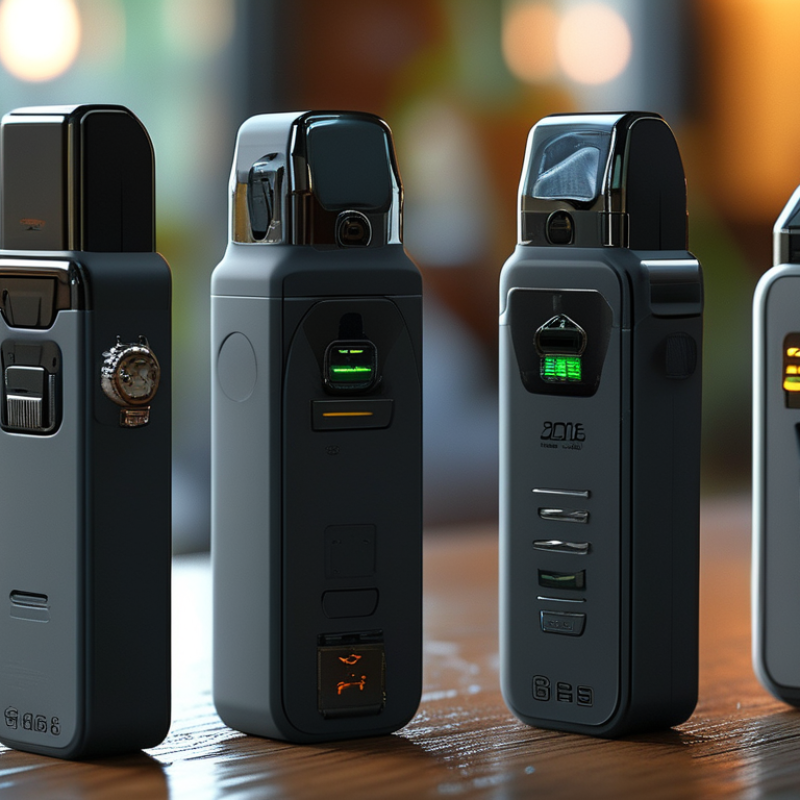
As we approach 2026, the vape device industry faces increased scrutiny regarding safety standards. Recent studies show that nearly 40% of vape users express concern over product safety. This statistic highlights the urgency for manufacturers to prioritize development in safety features. Key elements such as short-circuit prevention, overheat protection, and leak-proof designs will become essential benchmarks. The absence of these features could lead to serious risks for users.
The American Vaping Association underscores the importance of child-resistant packaging and battery safety standards. Data indicates that more than 90% of vape-related incidents stem from battery failures. By implementing stricter testing protocols, manufacturers can reduce risks significantly. Moreover, transparency in ingredient labeling is crucial. According to industry surveys, only 50% of consumers fully trust the ingredient labels on their vape products.
Moving forward, manufacturers must reflect on their current safety practices. The inclusion of features like automatic shutoff mechanisms, better airflow designs, and temperature control could enhance user confidence. Addressing these standards is not just about compliance; it's about creating a responsible vaping culture.
| Safety Feature | Description | Importance Level | Implementation Status |
|---|---|---|---|
| Child Lock Mechanism | Prevents accidental use by children | High | Required by 2026 regulations |
| Overheat Protection | Automatically shuts off device when it overheats | High | Mandatory for safety compliance |
| Battery Protection Circuit | Prevents battery overcharging and short-circuiting | Very High | Essential for user safety |
| Leak-proof Design | Reduces risk of e-liquid leaks and spills | Medium | Goals to improve in future models |
| Automatic Shut-off Timer | Limits usage time to prevent overheating | Medium | Under review for implementation |
| User-friendly Interface | Simplifies adjustments and settings for safer use | Low | Currently standard feature |
: Key features include short-circuit prevention, overheat protection, and leak-proof designs. These are essential for user safety.
Child-resistant mechanisms prevent accidental access by children. This can greatly reduce the risk of incidents.
More than 90% of vape-related incidents come from battery failures. This highlights the need for battery safety standards.
Transparency in ingredient labeling is crucial. Around 50% of consumers do not fully trust ingredient labels on their vape products.
Manufacturers must evaluate their safety features, including automatic shutoff mechanisms. Striving for improvement is vital for user confidence.
Devices with thermal sensors monitor temperatures. They shut down if overheating occurs, preventing serious health risks.
No, some devices may still overheat under certain conditions. Users should remain vigilant about device safety.
Regular maintenance helps ensure safety and longevity. Following manufacturer guidelines can prevent hazardous situations.
Ongoing testing and evaluation are essential. Manufacturers must learn from past incidents to enhance design effectiveness.
Vaping safety must continue to evolve with technology. Manufacturers must recognize flaws and work toward a more secure future.
As the vaping industry evolves, understanding "what safety features should a vape device have" is paramount for consumers. In 2026, vape devices are expected to adhere to stringent safety standards, ensuring they are reliable and secure for users. Key safety features will include essential battery safety mechanisms, which prevent overheating and potential malfunctions, along with advanced overheating protection technologies that safeguard users from risks associated with excessive heat.
Additionally, modern vaping products will be designed with child-resistant mechanisms, making them safer in households with children. Health monitoring features will also become increasingly important, allowing users to track their vaping habits and health metrics. Together, these safety innovations aim to enhance user experience while prioritizing safety in the increasingly popular world of vaping.

 Onics Vape